Source photosensitive sound music module for Books Toys Education
Compare 30 photosensitive sound music module options from verified suppliers in Guangdong. These units feature light-activated recording, replaceable batteries, and customizable sizes for educational books and toys.
Key considerations
Products List





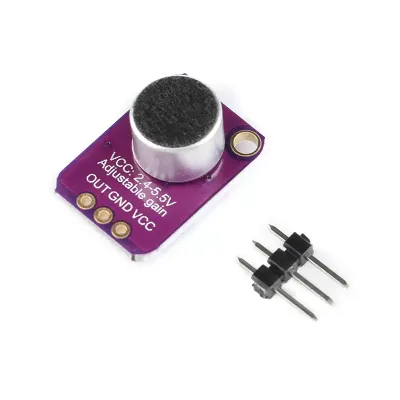
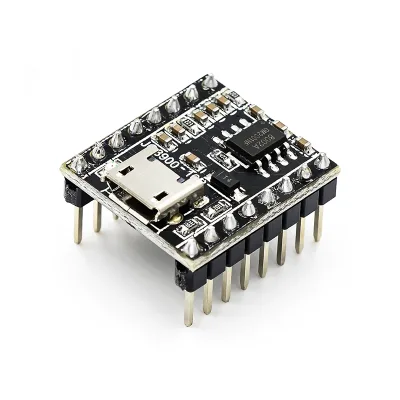
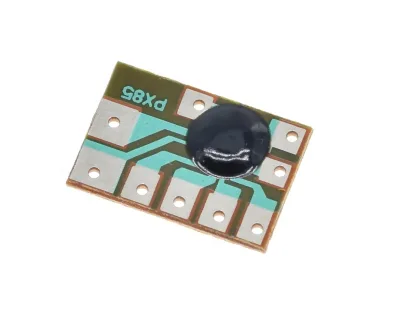


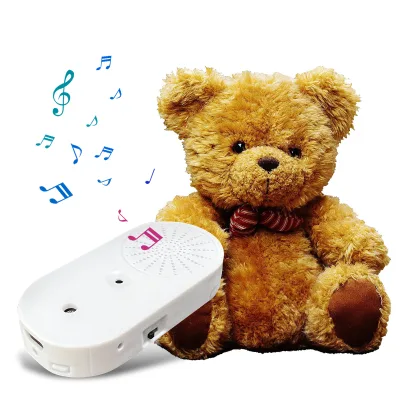
Comprehensive Sourcing Guide
Strategic Sourcing Guide for Photosensitive Sound and Music Modules
Navigating the procurement landscape for photosensitive sound and music modules requires a disciplined approach that balances technical precision with supply chain reliability. These components, often utilized in interactive toys, educational materials, and electronic accessories, function by triggering audio playback upon detecting light changes or physical activation. For buyers in the B2B sector, understanding the specific attributes of these modules is critical to ensuring product compatibility and operational success. The following guide outlines the essential factors for sourcing these devices, drawing on verified market data and technical specifications to inform decision-making without relying on unverified claims.
Technical Specifications and Functional Variations
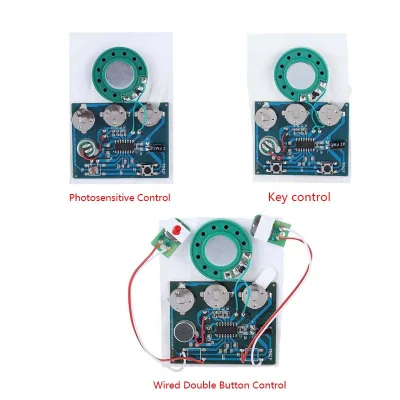
The core functionality of a photosensitive sound module lies in its ability to convert environmental stimuli into audio output. In the current market, these modules are frequently categorized by their activation mechanisms, which include push-button, light-activated, or voice recording capabilities. Buyers must distinguish between modules that offer fixed recording times and those that allow for custom audio content. For instance, specific models in the sector support recording durations ranging from 6 seconds to 60 seconds, catering to different content requirements for children's education products or toy applications.
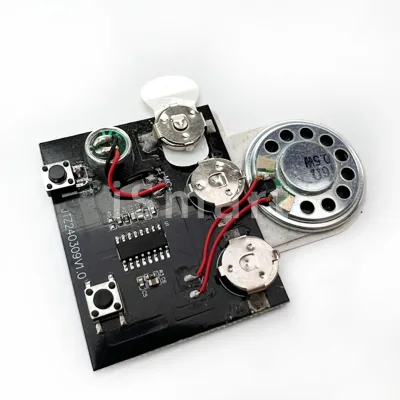
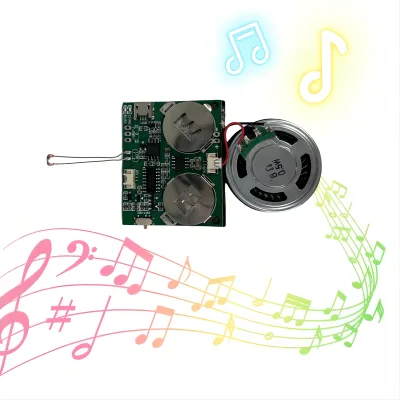
Physical dimensions and power requirements are equally critical specifications. The PCB size for many standard modules in this category is observed to be approximately 30mm by 20mm, often paired with a 40mm plastic speaker. This compact footprint allows for integration into small enclosures, such as those found in books or small toys. Power sources typically involve replaceable button cells, with configurations often utilizing three 3PCS button cells to ensure sufficient voltage for the sounding IC box. The mounting type for these units is generally noted as non-specific or adaptable, requiring the buyer to verify the physical interface against their specific housing design.
Material composition also plays a significant role in the durability and cost of the module. While the internal electronics are standard, the external casing or packaging often utilizes PVC or standard export cartons. Some units are designed with adhesive stickers for easy installation, while others require a more robust mounting solution. The condition of the product is a primary concern; verified listings indicate that suppliers typically offer "Original 100%" units, ensuring that the internal ICs and components are genuine and not refurbished or counterfeit.
Compliance and Certification Verification
In the realm of electronic accessories, particularly those intended for children's use, compliance with international safety and environmental standards is non-negotiable. Buyers must rigorously verify that suppliers can provide documentation for relevant certifications. The market data indicates that certain modules in this category are associated with CE, ROHS, and CCC standards. These certifications are not merely marketing terms but represent adherence to specific regulatory frameworks regarding electromagnetic compatibility, hazardous substance restrictions, and Chinese safety compliance.
The CE mark signifies conformity with health, safety, and environmental protection standards for products sold within the European Economic Area. ROHS compliance ensures that the module does not contain restricted hazardous materials such as lead, mercury, or cadmium, which is vital for electronic waste management and environmental safety. The CCC mark is the China Compulsory Certification, mandatory for products sold within the Chinese market and often required for export to other regions that recognize Chinese standards.
However, buyers should not assume that every listed product automatically possesses these certifications. The presence of a standard like "CE" in a product description should be treated as a claim that requires verification through official documentation from the supplier. For products intended for the "Children Education" sector, the age-appropriateness and safety of the materials, such as the PVC used in packaging or casing, must be confirmed. Buyers should request test reports or certificates of conformity before placing large orders to mitigate the risk of regulatory non-compliance at the destination market.
Cost Drivers and Pricing Structures
Understanding the cost structure of photosensitive sound modules is essential for budgeting and margin analysis. Unlike consumer electronics with fixed retail prices, B2B procurement for these modules often operates on a "contact us" pricing model. This indicates that the final unit cost is dynamic and influenced by order volume, customization requirements, and specific configuration choices. The observed price range in the market spans from $0.01 to $45, a wide variance that reflects the difference between basic, off-the-shelf units and highly customized, high-volume production runs.
Several factors drive the final cost. First, the recording time and audio quality are primary cost determinants. Modules offering longer recording times, such as 60 seconds, or those with higher fidelity speakers may command a premium over basic 6-second units. Second, customization plays a significant role. If a buyer requires a specific model number, custom PCB size, or unique packaging like individual polybags and inner boxes, the production complexity increases, affecting the unit price. Third, the brand and origin of the component influence cost. Modules originating from established manufacturing hubs like Guangdong or Shenzhen may have different pricing structures compared to generic alternatives, often reflecting higher quality control standards.
The Minimum Order Quantity (MOQ) is another critical cost driver. The market observes an MOQ range from 1 to 3000 pieces. For small-scale prototyping or testing, buyers may find suppliers willing to accept low quantities, but the per-unit cost will likely be higher. Conversely, bulk orders of 3000 pieces or more often benefit from economies of scale, reducing the per-unit cost significantly. Buyers must balance their immediate inventory needs with long-term storage costs to optimize their procurement strategy.
Typical Applications and Use Cases
The versatility of photosensitive sound and music modules makes them suitable for a diverse range of applications, with a strong emphasis on the toy and educational sectors. One of the most common use cases is in "Children Education" products, where these modules are integrated into interactive books or learning toys. In these applications, the light-activated feature allows the device to trigger sounds when a page is turned or a specific area is illuminated, enhancing the engagement level for young learners. The "for Book and Toy" designation found in product descriptions highlights this specific niche.
Beyond education, these modules are widely used in general electronic equipment and accessories. The "Electronic Accessories" classification suggests their utility in a broad array of consumer electronics, from novelty items to functional devices. The "Sounding IC Box" configuration is particularly popular in products requiring simple, reliable audio feedback without the need for complex microcontrollers. The ability to customize the module, including the recording content and physical style, allows manufacturers to create unique products that stand out in a competitive market.
The application also extends to promotional items and gift products. The "Customizable" nature of the style and the availability of different recording times allow for personalized audio messages, making these modules ideal for corporate gifts or event souvenirs. The "Adhesive Sticker" feature mentioned in some specifications further expands their utility, enabling easy integration into various surfaces without the need for complex assembly tools.
Supplier Evaluation and Supply Chain Reliability
Selecting the right supplier is as important as selecting the right product. Buyers should prioritize suppliers who demonstrate transparency in their operations and provide clear communication channels. Key indicators of a reliable supplier include a well-defined supply ability, such as the capacity to produce 10,000 pieces per week, which ensures that large orders can be fulfilled without significant delays. The lead time is another critical factor; a standard lead time of 3-7 working days suggests a responsive supply chain capable of meeting tight deadlines.
Payment terms and shipping methods are also essential considerations for risk management. Reputable suppliers typically offer a range of secure payment options, including PayPal, TT (Telegraphic Transfer), Western Union, and Trade Assurance. Trade Assurance, in particular, offers a layer of protection for buyers by guaranteeing the delivery and quality of the order. For shipping, the availability of major carriers like DHL, FedEx, EMS, and UPS ensures that products can be delivered globally with tracking and insurance options.
When evaluating suppliers, buyers should also consider the warranty and quality assurance policies. A warranty period of 3 months is a common standard in this sector, providing a safety net for defects or failures. However, buyers should verify the specific terms of this warranty, including what constitutes a defect and the process for returns or replacements. The "High-quality" attribute often cited in product descriptions should be backed by concrete quality control processes, such as batch testing or visual inspections, rather than being a generic marketing claim.
Quality Control and Long-Term Procurement Considerations
Implementing a robust quality control (QC) process is vital for maintaining product integrity, especially when sourcing electronic components that will be integrated into consumer-facing products. Buyers should establish clear acceptance criteria based on the technical specifications provided, such as PCB dimensions, speaker size, and recording time accuracy. Regular sampling and testing of incoming shipments can help identify issues early, preventing costly recalls or customer dissatisfaction.
For long-term procurement, building a strategic relationship with suppliers is beneficial. This involves consistent ordering patterns, clear communication of requirements, and mutual trust. Buyers should consider the potential for future customization and scalability. As a product line grows, the need for larger production runs or more complex customizations will increase. A supplier with a proven track record of handling high volumes and offering flexible customization options will be better positioned to support this growth.
Additionally, buyers should monitor the market for changes in standards and regulations. As environmental and safety regulations evolve, suppliers must adapt their products to remain compliant. Proactive communication with suppliers regarding these changes can help buyers stay ahead of regulatory hurdles. Finally, maintaining a diversified supplier base can mitigate the risk of supply chain disruptions, ensuring that production continues even if one supplier faces unforeseen challenges. By focusing on these strategic elements, buyers can secure a reliable supply of high-quality photosensitive sound and music modules that meet their specific business needs.
FAQs
What are the available recording times for these modules?
Available recording times range from 6 seconds to 60 seconds depending on the specific model selected. Buyers can choose durations like 6s, 10s, 20s, 30s, or 60s to match their content needs for educational toys or books.
Which certifications are associated with these electronic accessories?
Some models in this category are associated with CE, ROHS, and CCC standards. Buyers should verify these certifications through official documentation from the supplier to ensure compliance with safety and environmental regulations.
How is the product packaged for shipment?
Packaging options include standard export cartons, individual polybags, and inner boxes. The specific packaging type may vary, with some units utilizing PVC or standard carton configurations depending on the order requirements.
Can the modules be customized for specific applications?
Yes, customization is available for style, recording content, and physical dimensions. Buyers can request specific model numbers or PCB sizes to fit unique applications like children's education products or interactive toys.
What is the typical lead time for orders?
The standard lead time is 3 to 7 working days for most orders. This duration allows for efficient processing and shipping via carriers like DHL, FedEx, EMS, or UPS to global destinations.
What is the minimum order quantity for these modules?
The minimum order quantity ranges from 1 to 3000 pieces depending on the supplier and customization level. Small prototyping orders can start at 1 piece, while bulk production may require higher quantities.
Where are these products typically manufactured?
Products are primarily manufactured in Guangdong and Shenzhen, China. These locations serve as established manufacturing hubs for electronic accessories and sound recording modules used in various consumer applications.